Guitar Pickup Magnets
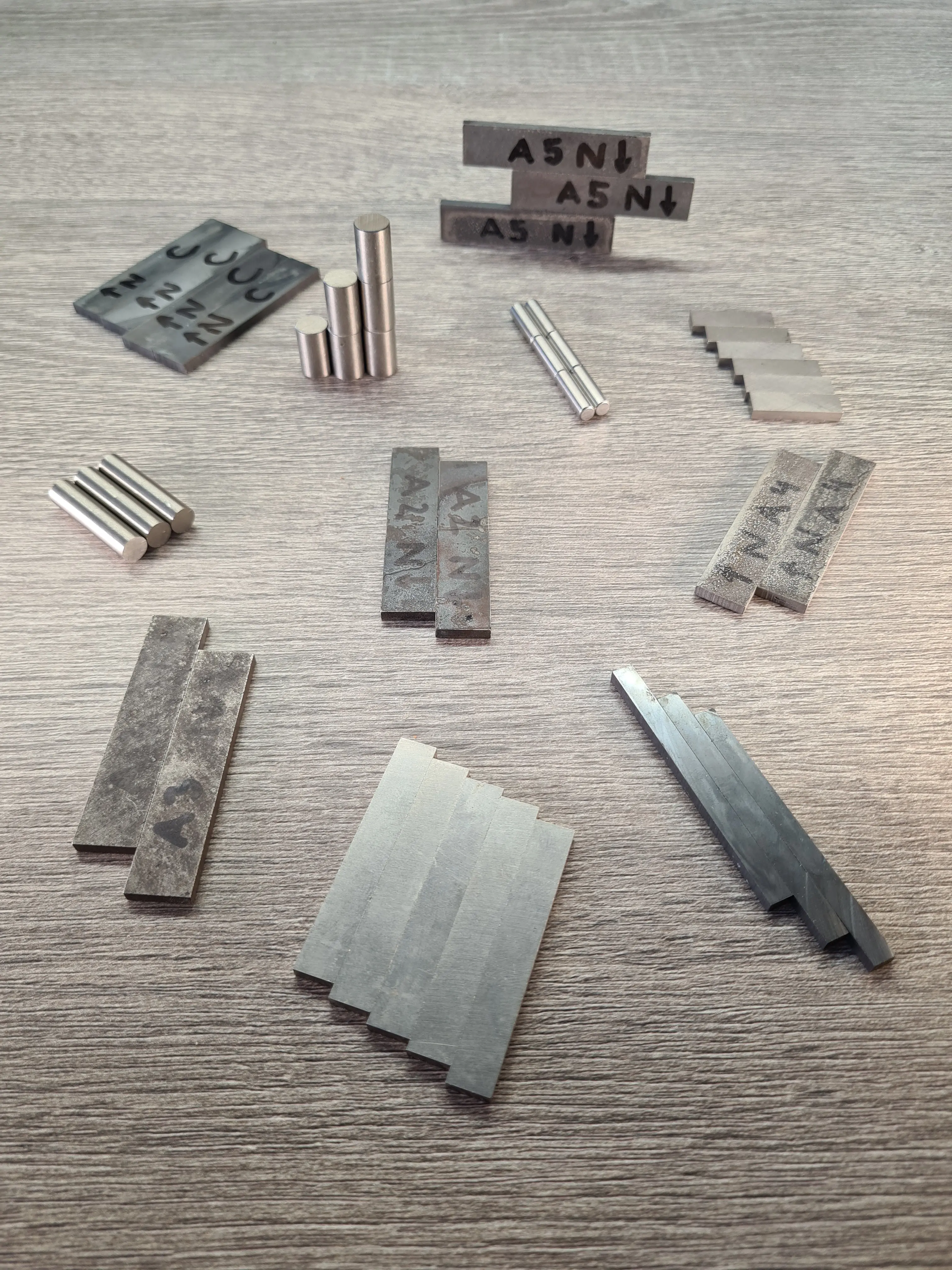
The type of magnet used in a guitar pickup plays a significant role in shaping the tone and sound of the instrument. A stronger magnet produces a higher output, while a weaker magnet produces a lower output. There are several different types of magnets commonly used in guitar pickups.
AlNiCo Magnets
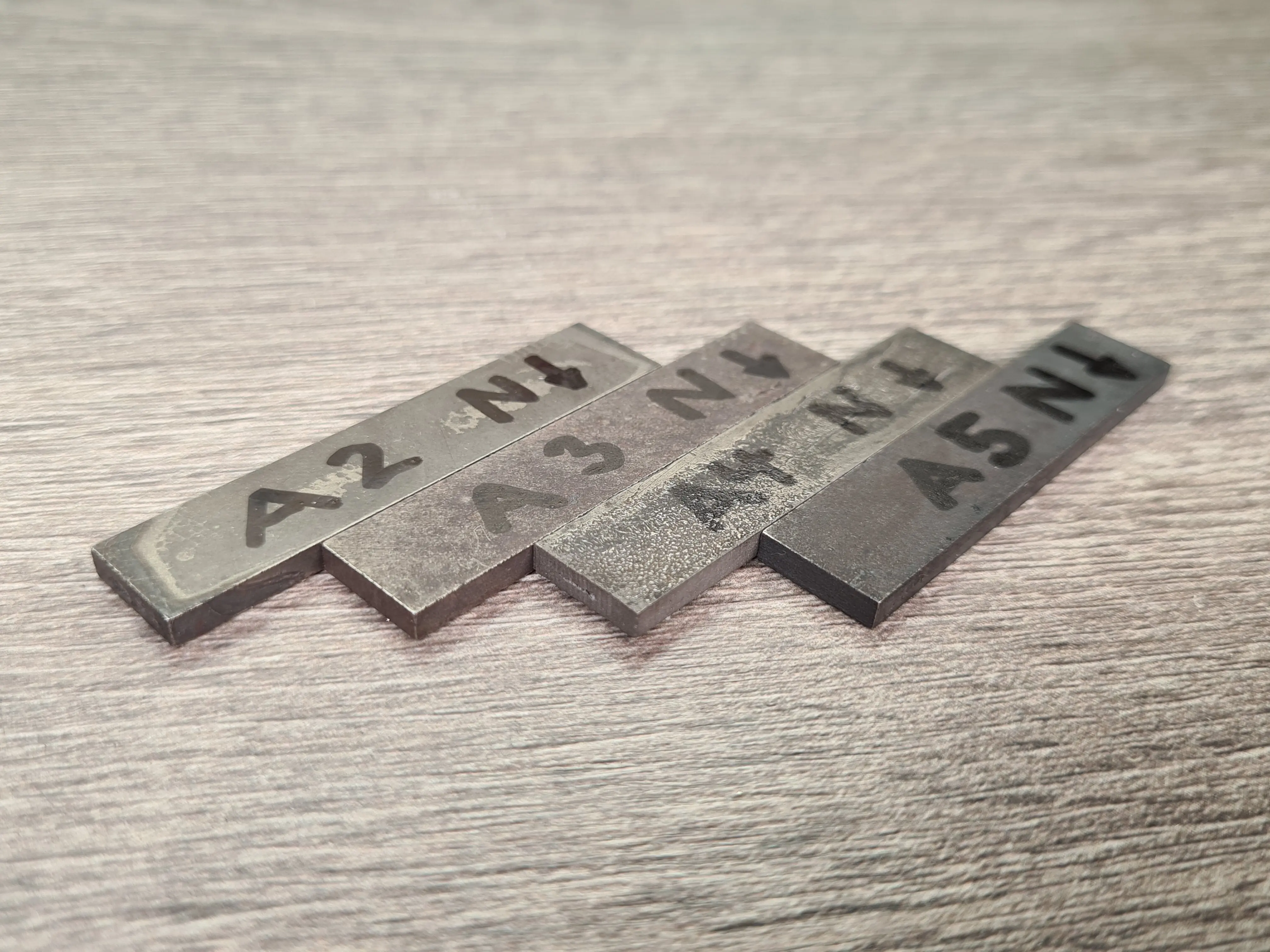
Alnico magnets have been a staple in guitar pickups since the 1930s, prized for their warm, nuanced tone. Made from a blend of aluminum, nickel, and cobalt (with small amounts of other metals), Alnico magnets offer a balanced, musical response with rich harmonics.
Compared to ceramic magnets, Alnico’s weaker magnetic pull provides better sustain, less string pull, and a natural, complex sound profile. These qualities make them especially popular in blues, jazz, and classic rock, where warmth, expressiveness, and vintage character are often desired.
Each grade of Alnico affects tone and output in unique ways, allowing players to achieve specific tonal characteristics, the availability of different Alnico grades allows guitarists to fine-tune their pickups for a variety of musical styles and tonal preferences:
- Alnico 2: Known for its gentle magnetic pull, Alnico 2 offers a soft, warm tone with rounded highs and a slightly scooped midrange. Its smooth, vintage feel makes it ideal for expressive, dynamic playing, and it’s favored for blues, jazz, and early rock sounds.
- Alnico 3: The weakest of the Alnico grades, Alnico 3 has a minimal magnetic pull, which allows for more natural string movement and excellent sustain. This creates a soft, buttery tone with enhanced warmth and reduced treble, perfect for vintage jazz and early rock tones where a gentle, mellow sound is desired.
- Alnico 4: Less common than other grades, Alnico 4 strikes a balance between Alnico 2’s warmth and Alnico 5’s brightness. It has a moderate magnetic strength, providing a smoother high-end response than Alnico 5 while still delivering clarity and punch. Alnico 4 pickups tend to have a slightly compressed, mid-focused sound, making them versatile and well-suited for classic rock and blues where both warmth and articulation are needed.
- Alnico 5: The most widely used grade in modern pickups, Alnico 5 is stronger than Alnico 2, 3, or 4, giving it a bright, punchy tone with more defined highs and increased output. Its enhanced treble and tighter bass response make it a popular choice for players who want clarity and presence, especially in blues rock, country, and even some heavier genres.
Rod Magnets
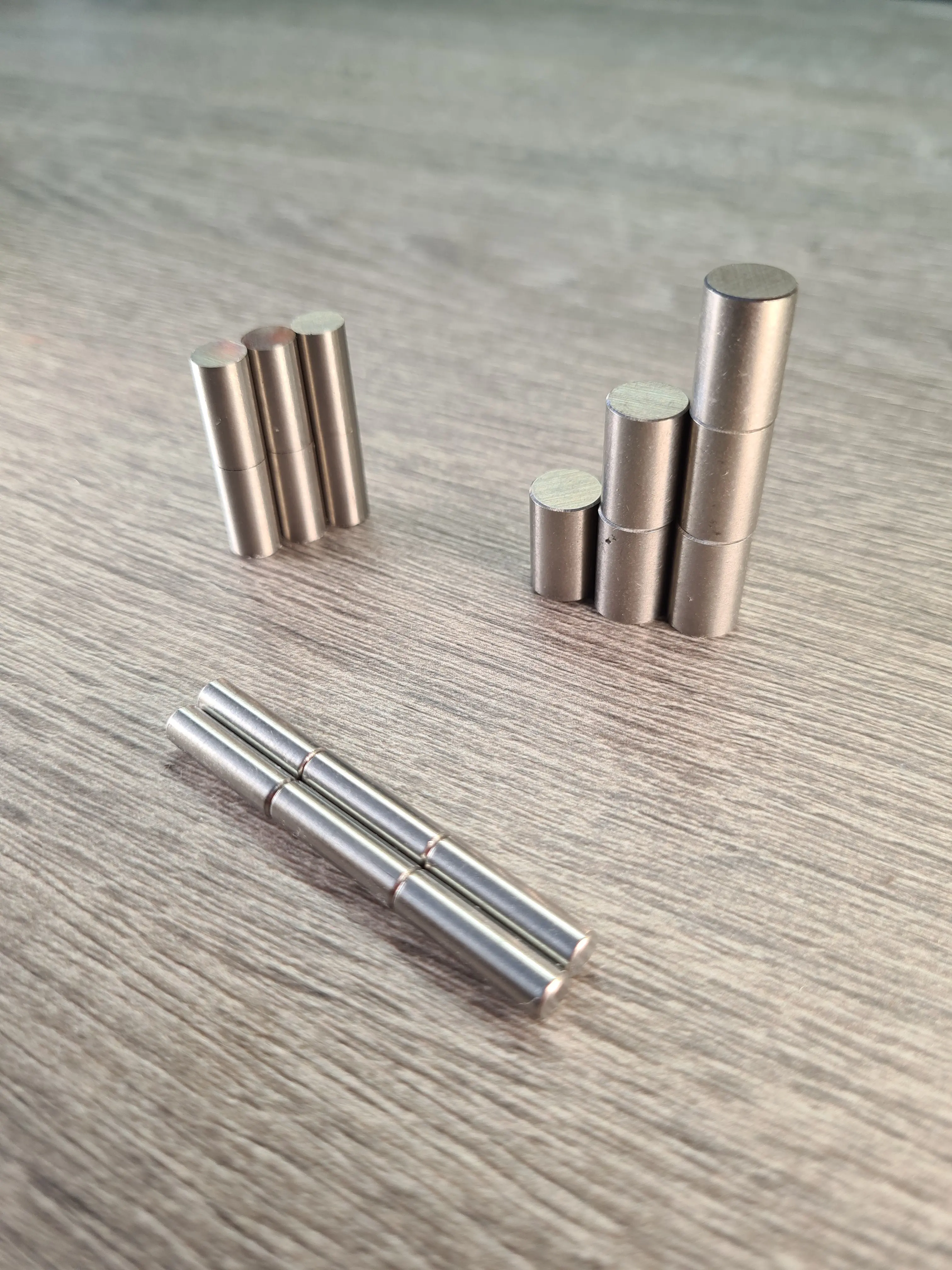
Rod magnets are a specialized type of pickup magnet with a distinct cylindrical shape, commonly found in single-coil guitar pickups. They are typically made from Alnico alloys, most often Alnico 5, although Alnico 2 and Alnico 3 are also sometimes used.
These materials affect the tonal properties of the pickup: Alnico 5 tends to produce a bright, punchy sound with strong output, while Alnico 2 and Alnico 3 are softer in sound, offering a more vintage or warmer tone. Occasionally, rod magnets are made from ferrite, a ceramic-based material usually found in other types of pickups, like humbuckers, for its powerful magnetic field and modern sound characteristics.
Rod magnets come in various dimensions, but a standard size is a 5mm diameter with an 18mm height. Some single-coil designs opt for larger diameter rod magnets to increase the inductance of the coil, which can create a "beefier" or fuller tone by enhancing the pickup’s response in the lower-midrange frequencies.
Another unique aspect of rod magnets in single-coils is their position relative to the guitar strings. The direct contact between the rod magnet and the string, as opposed to a bar magnet or pole pieces below the string, results in a clearer and more articulate sound.
Each magnet piece often has a slight stagger in height to follow the fretboard radius and balance the output across the strings. This staggering helps provide even tonal response and prevents "hot spots" where certain strings would otherwise overpower others.
Ceramic Magnets
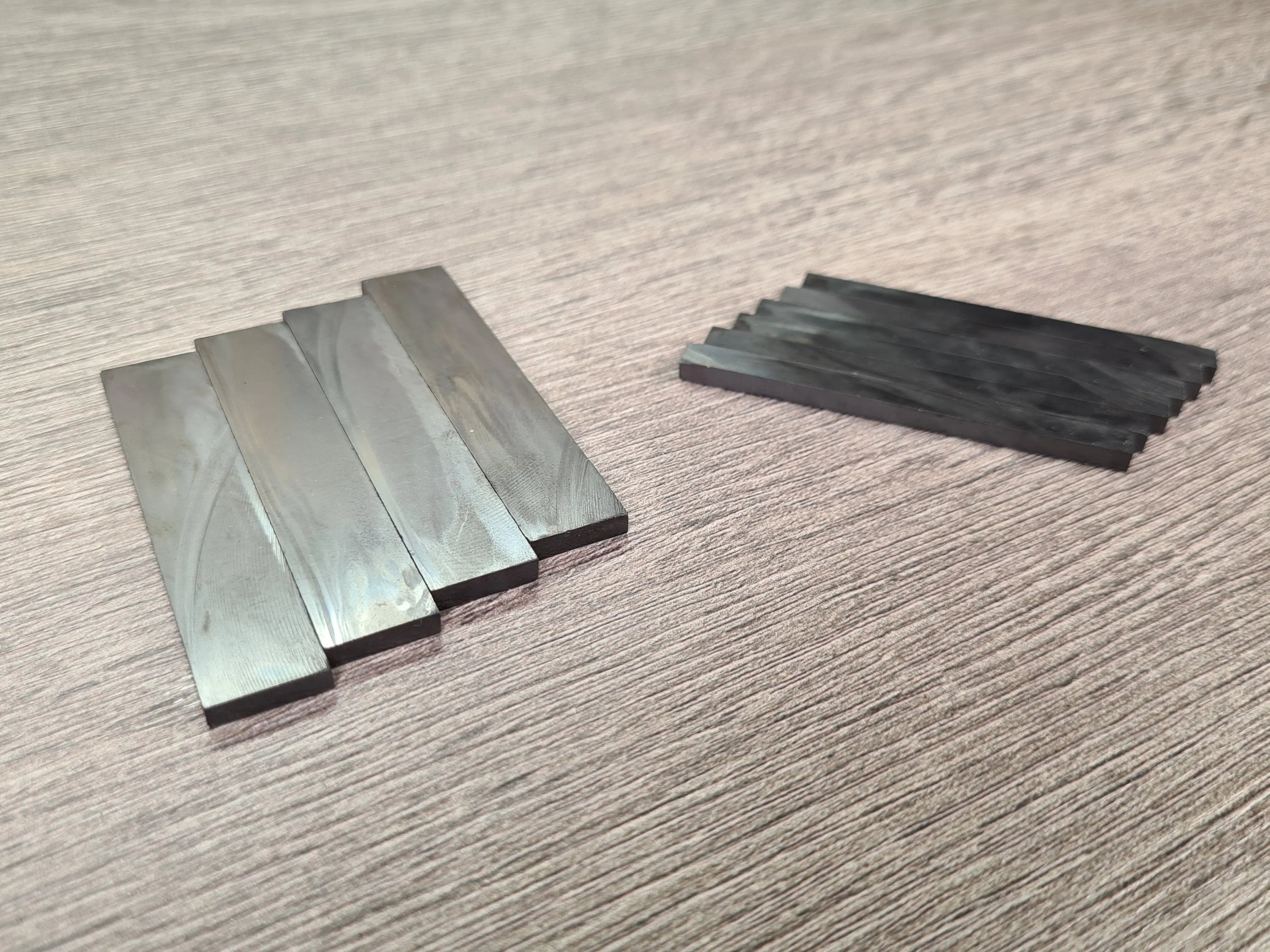
Ceramic magnets are significantly stronger than Alnico magnets, making them ideal for high-gain and high-output applications. Made from materials such as strontium or barium ferrite, ceramic magnets are generally more cost-effective to produce than Alnico, which has made them a popular choice in modern pickups, especially those designed for hard rock and heavy metal.
With their intense magnetic field, ceramic magnets create a sharp, focused sound with a powerful midrange and reduced harmonic complexity compared to Alnico. This strong, compressed tone is particularly suited to high-gain styles where clarity and definition are critical.
Ceramic pickups can deliver more output to hit an amplifier with greater force, driving distortion and overdrive with ease, which has made them a staple in genres that demand an aggressive and cutting tone.
Here’s how ceramic magnets shape tone and performance:
1. High Output and Compression:
Ceramic magnets provide higher output, which means they can drive an amplifier into distortion more easily than Alnico pickups. The natural compression in the sound helps even out string dynamics, which is advantageous in fast-paced, high-gain music.
2. Reduced Harmonics and Focused Tone:
Ceramic pickups have a more controlled harmonic response than Alnico pickups. While Alnico is known for producing rich overtones, ceramic pickups focus on fundamental frequencies, producing a cleaner, more precise sound. This tonal focus prevents "muddiness" at high volumes, delivering a clear attack and defined response.
3. Strong Midrange Response:
Ceramic magnets naturally emphasize the midrange frequencies, adding body and "cut" to the sound. This pronounced midrange allows guitar solos and riffs to stand out in a mix, especially in genres like metal, where clarity and separation from bass-heavy sounds are essential.
Neodymium Magnets
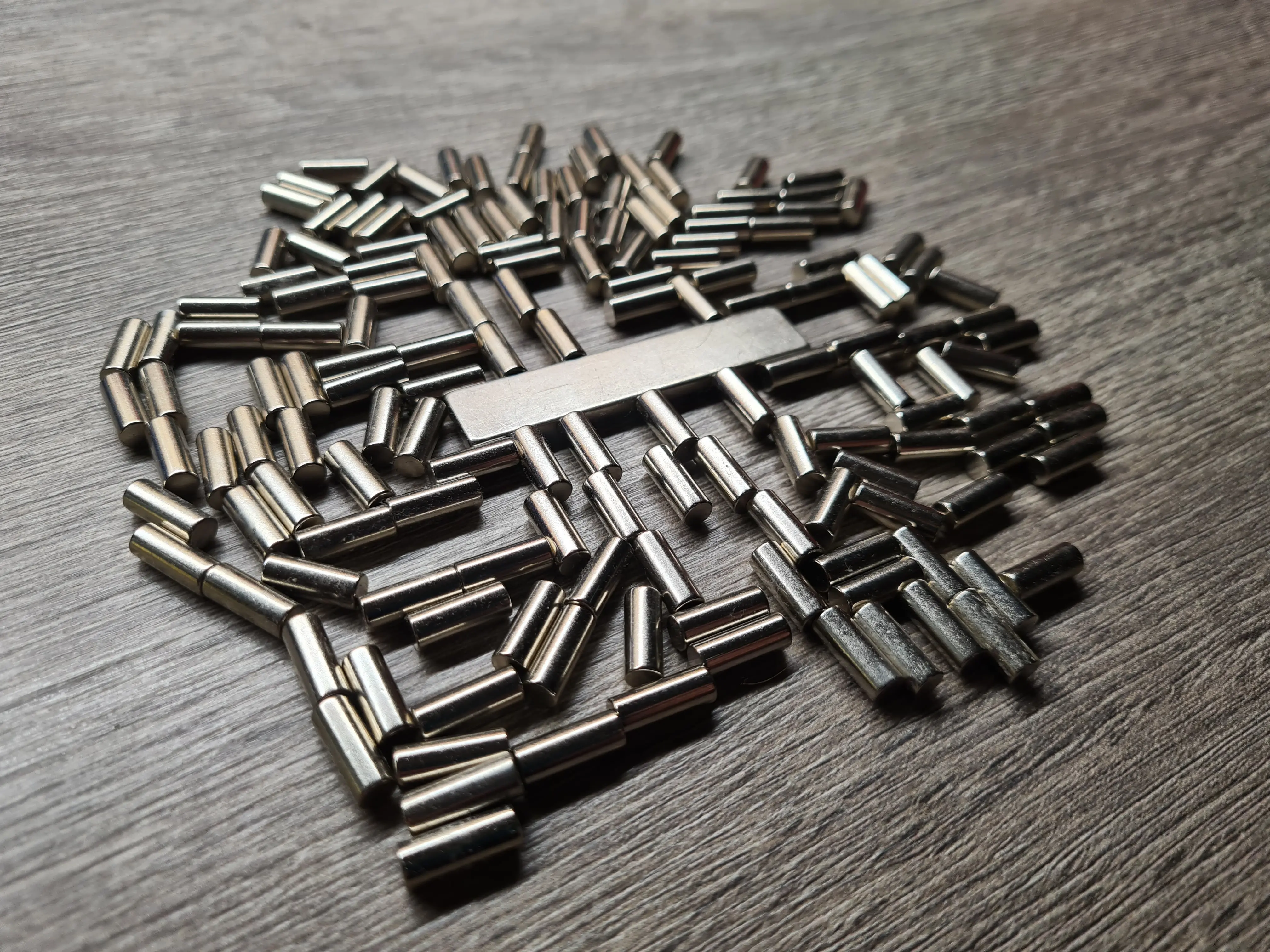
Neodymium magnets are the most powerful type used in guitar pickups, composed of neodymium, iron, and boron. Much stronger than Alnico or ceramic magnets, they deliver high output, exceptional clarity, and a highly articulate tone.
Known for capturing a wide frequency range with tight lows, present mids, and crisp highs, neodymium pickups are favored for their detailed and focused sound.
While their magnetic strength can cause "stratitis" if set too close, proper adjustment allows neodymium pickups to offer unmatched precision, making them an exciting choice for players seeking high output and clarity.
What is Stratitis?
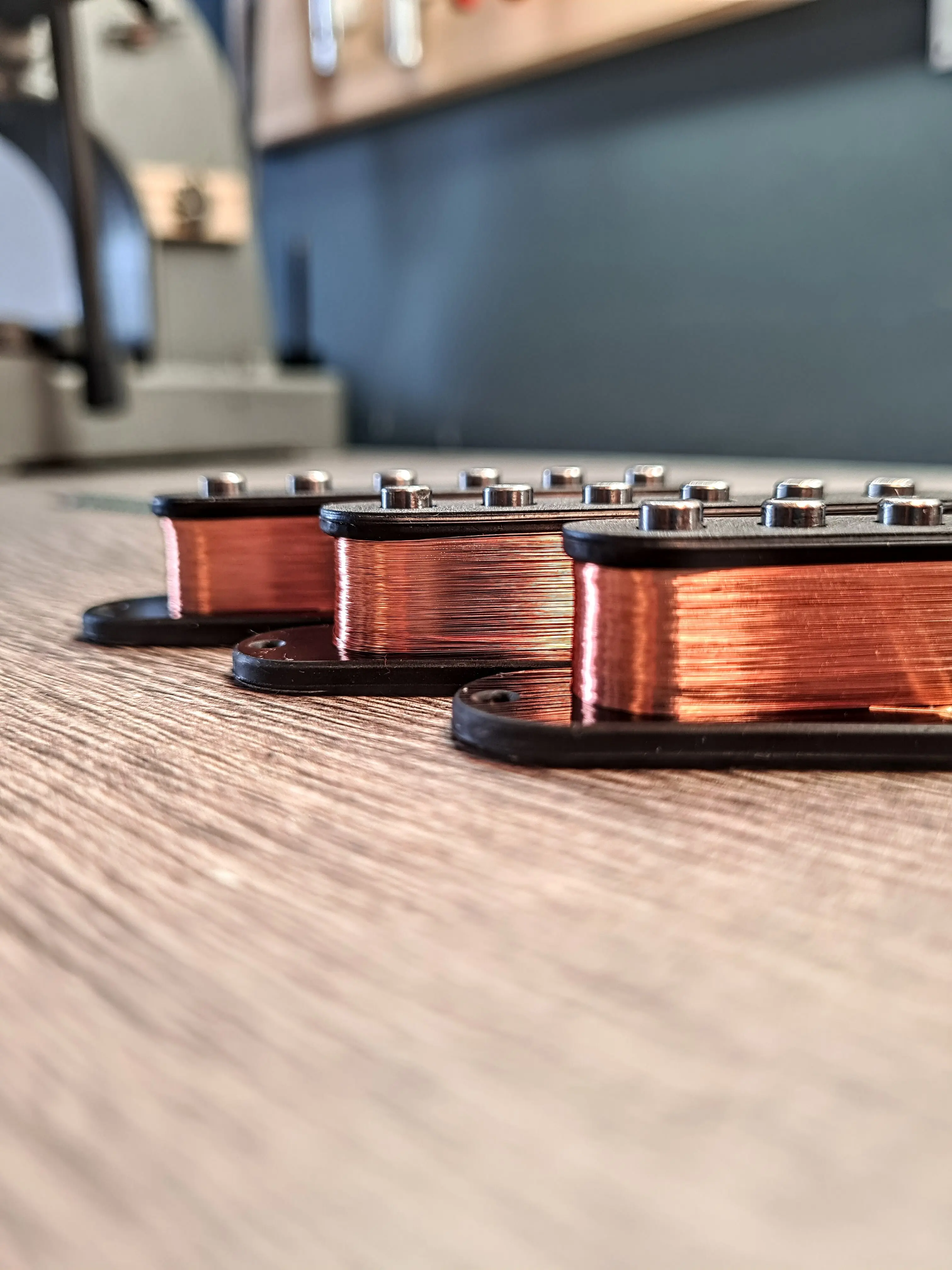
"Stratitis" is an unwanted sound effect caused by strong magnetic pull from pickups, particularly on Fender-style single-coil pickups with high magnetic strength. When magnets are too close to the strings, they can interfere with the natural vibration, causing a "warbling" or out-of-tune effect, particularly on the lower strings.
To avoid stratitis, you can lower the Pickup Height. This increases the distance between the pickup and strings, thereby lessening the magnetic pull.